.webp)








Foundation is a gridless medieval city-building game that emphasizes organic growth, resource flow management, and realistic settlement expansion. Unlike traditional city builders that rely on rigid layouts, Foundation allows freeform placement and natural village evolution. This freedom is powerful—but without planning, it can lead to inefficiency and economic instability.
This guide will help new and intermediate players understand core systems, manage resources efficiently, and scale their settlements without chaos. By mastering zoning, production chains, and citizen needs, you can create a thriving medieval city that grows smoothly over time.
1. Understanding the Core City-Building Philosophy
Organic Growth Over Grid Planning
Foundation does not use a traditional grid system.
Buildings adapt to terrain, encouraging natural village layouts rather than rigid blocks.
Resource Flow Is Everything
The game revolves around production chains.
Poor resource flow leads to stalled construction and unhappy villagers.
2. Smart Starting Location and Early Setup
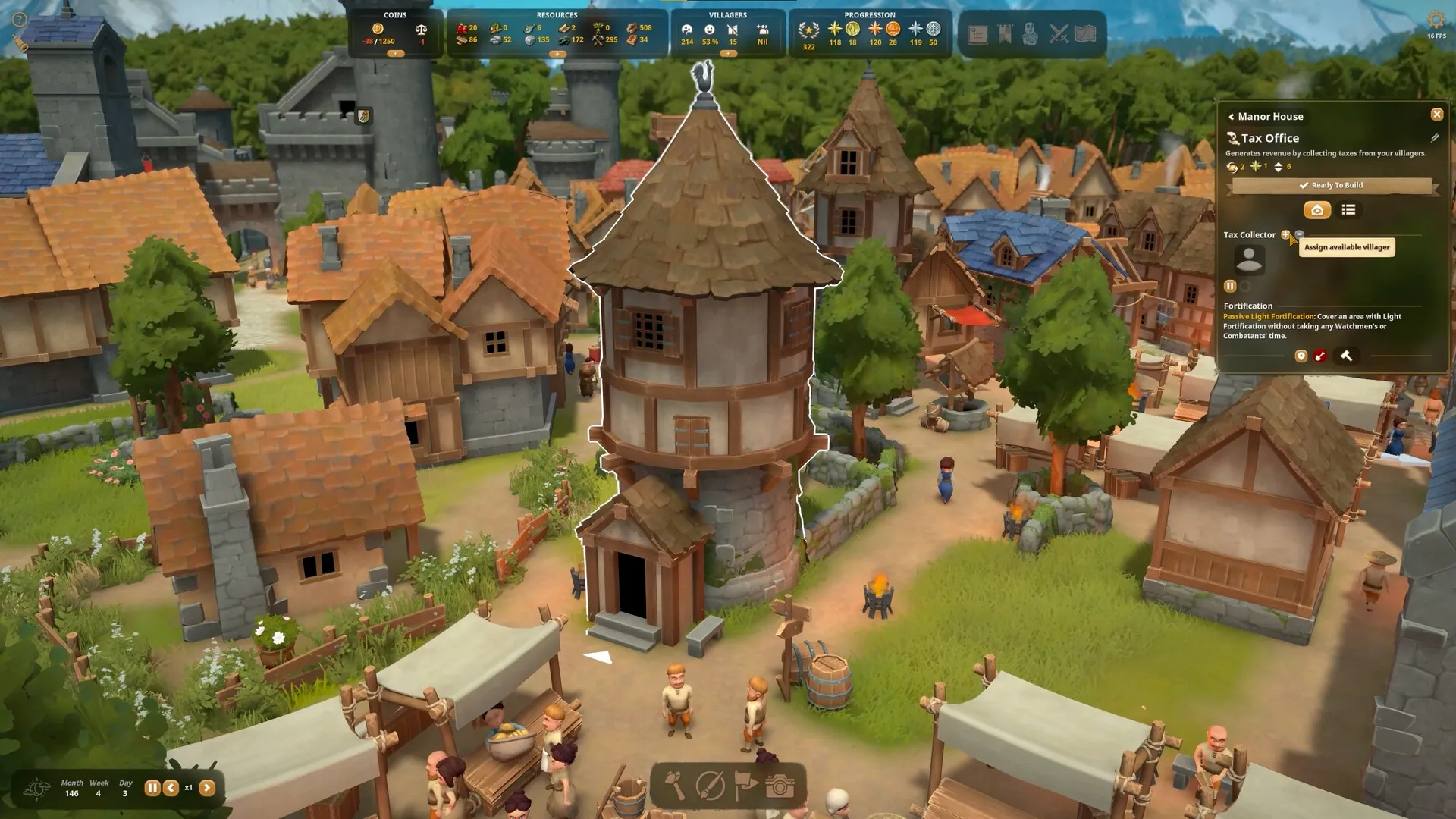
Choosing Resource-Rich Areas
Your first settlement should be near:
- Trees for wood
- Berries for food
- Stone deposits for construction
Proximity reduces travel time and boosts efficiency.
Keeping Early Layout Simple
Place early buildings close together.
Long walking distances reduce productivity.
3. Managing Villager Needs
Understanding Basic Needs
Villagers require food, housing, and eventually goods.
Ignoring needs slows immigration and growth.
Avoiding Overexpansion
Growing too quickly strains production.
Balanced growth keeps approval ratings high.
4. Zoning and Residential Growth
Using Residential Zones Carefully
Residential zones expand organically.
Over-zoning creates housing without job support.
Maintaining Workplace Proximity
Homes should be near workplaces.
Short commutes increase productivity.
5. Resource Production Chains
Prioritizing Wood and Stone
Wood fuels early expansion.
Stone supports advanced buildings.
Secure these resources early.
Expanding Food Production
Berries work early, but farms and bakeries scale better.
Transition food sources before shortages occur.
6. Market and Distribution Efficiency
Market Placement Strategy
Markets distribute goods to villagers.
Central placement reduces travel time.
Assigning Market Tenders
Shops need workers.
Empty stalls provide no benefits.
7. Unlocking and Managing Progression Tiers
Understanding Estate Progression
Clergy, Kingdom, and Labor estates unlock buildings and benefits.
Invest wisely in early mandates.
Avoiding Premature Unlocks
Unlocking too many buildings strains the economy.
Progress steadily rather than aggressively.
8. Taxes, Economy, and Financial Stability
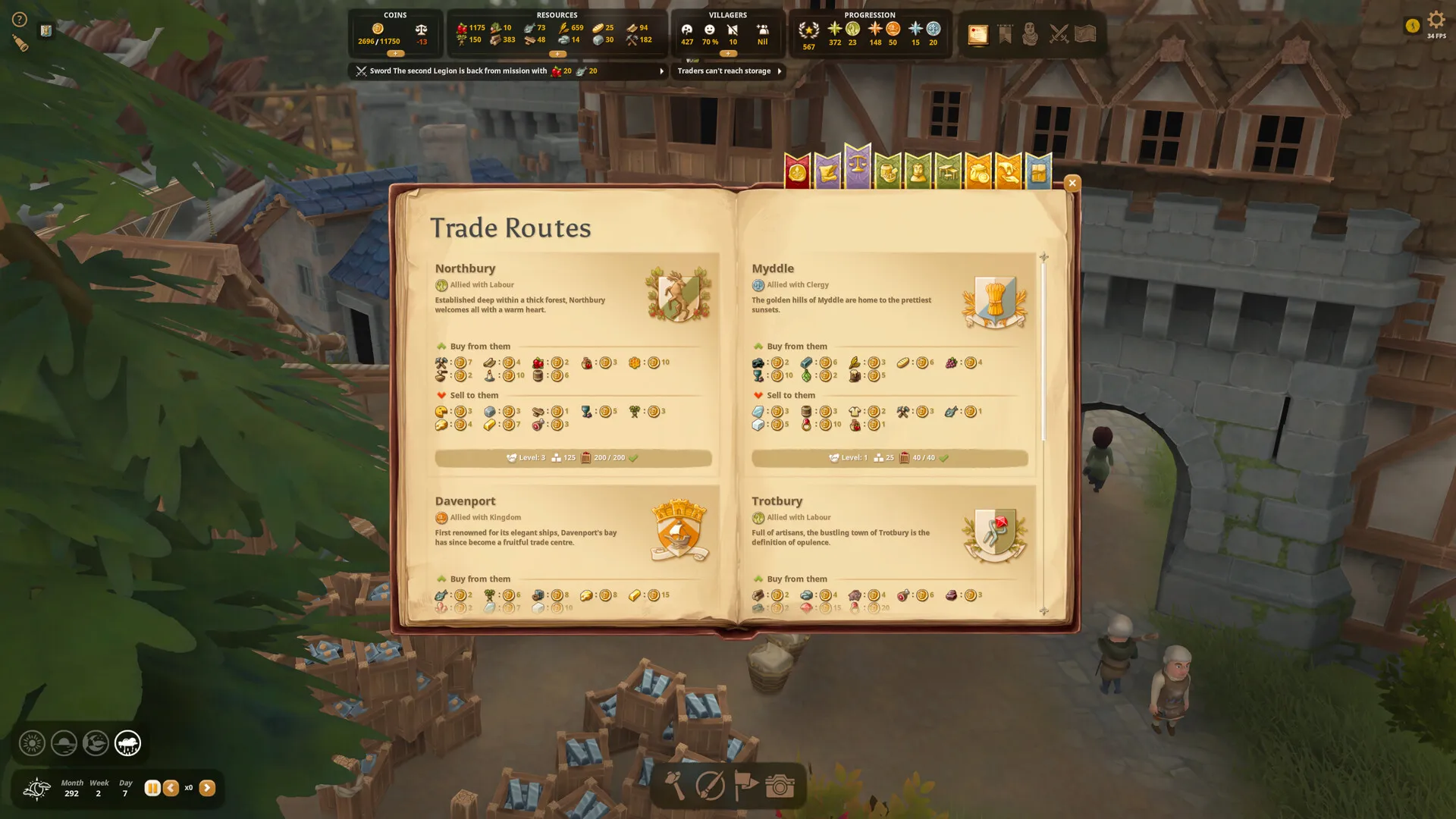
Managing Income Sources
Taxes become a major income source mid-game.
Balanced taxation avoids approval drops.
Monitoring Expenses
Large building projects can bankrupt your city.
Plan expansions in phases.
9. Expansion and Advanced Planning
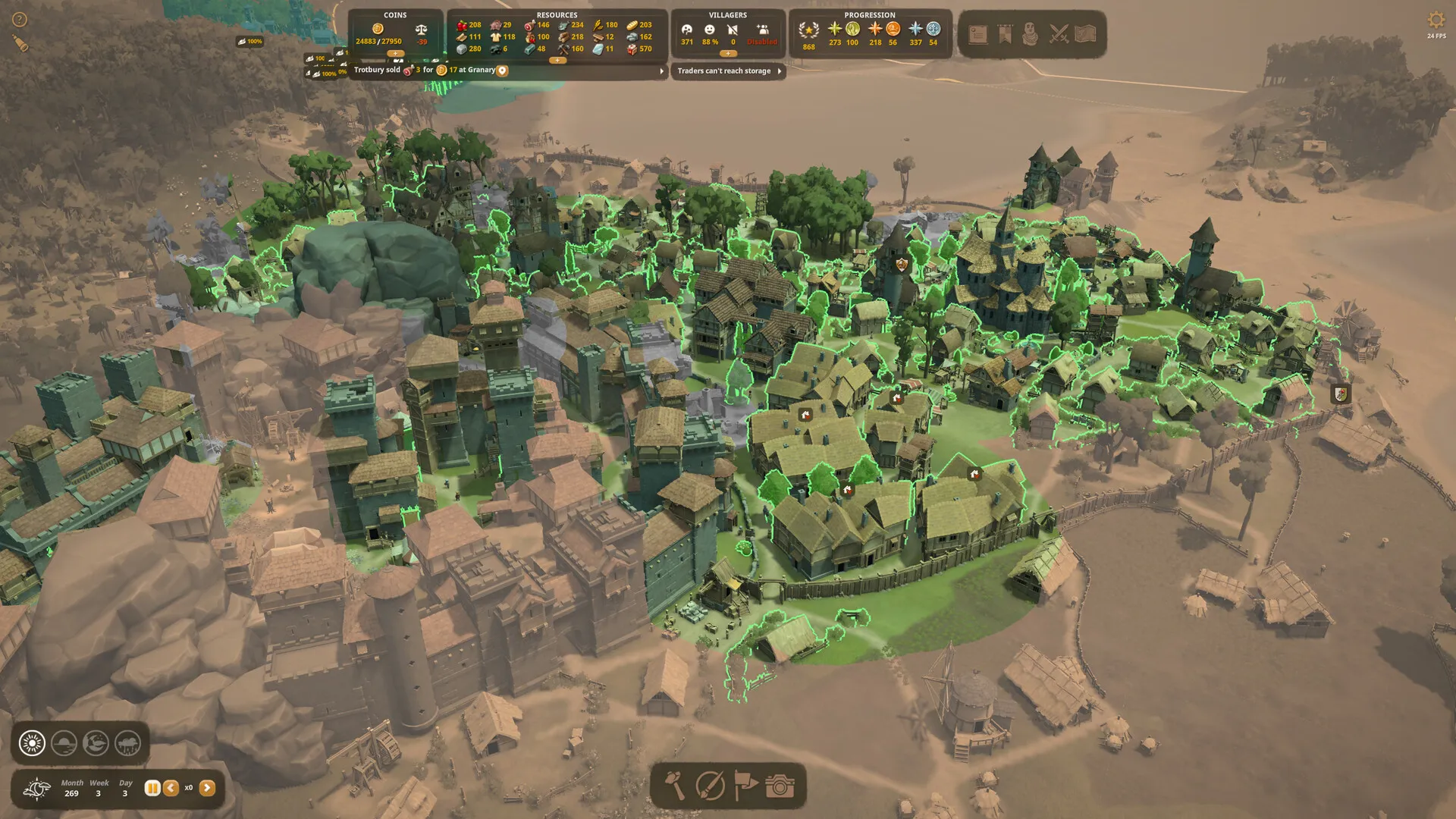
Expanding Territory Carefully
Territory expansion increases costs.
Secure stable production before expanding.
Planning for Monument Projects
Large monuments require massive resources.
Prepare supply chains before committing.
10. Developing a Sustainable Long-Term Strategy
Efficiency Over Aesthetics (At First)
Focus on functionality early.
Beautification can come later.
Iterative Improvement
Adjust production chains as the city grows.
Continuous refinement prevents collapse.
Conclusion
Foundation rewards careful planning, efficient resource management, and controlled expansion. Its organic city-building system offers creative freedom, but success depends on understanding production chains and villager needs.
By following these tips and guides, you can build a stable medieval settlement that grows naturally, maintains high approval, and scales into a prosperous and sustainable city.