
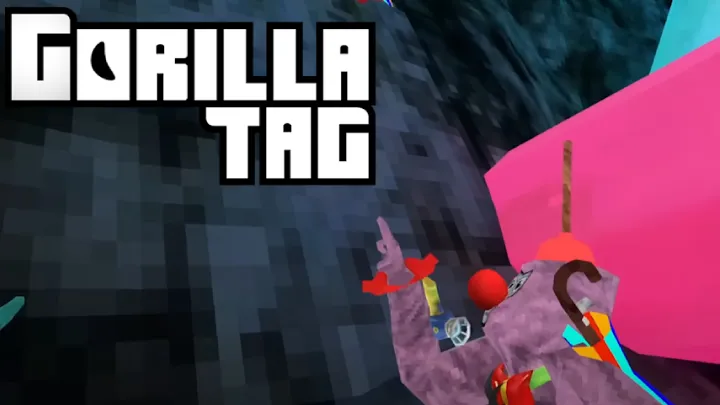
Gorilla Tag is a virtual reality multiplayer game that redefines movement-based gameplay. Instead of traditional controllers and buttons, players move using their own arms, creating a physically engaging and social experience. With its simple visuals and intense player interaction, Gorilla Tag has become one of the most popular VR games, especially among younger audiences. This article explores how the game works, why it became popular, and what makes it unique in the VR space.
1. The Origin of Gorilla Tag: A Small Idea in Virtual Reality
Gorilla Tag was developed by a single creator and released as an experimental VR project. The goal was to test a new way of movement in virtual reality without relying on joysticks.
This experiment quickly turned into a full game as players discovered how fun and immersive the movement felt.
Development Focus
Physics-based arm movement.
Why It Stood Out
Movement felt natural and physical.
2. Core Movement System: No Buttons, Just Arms
In Gorilla Tag, players move by pushing themselves off surfaces using their hands. There is no jumping button or walking stick.
This unique system makes movement both challenging and rewarding, requiring coordination and practice.
Movement Mechanics
- Arm swinging
- Wall pushing
- Momentum control
Skill-Based Mobility
Better technique leads to faster movement.
3. Learning Curve and Physical Skill Development
New players often struggle at first because movement relies on real-world coordination. Over time, muscle memory develops.
The physical nature of Gorilla Tag makes improvement feel earned.
Skills Players Develop
- Arm coordination
- Timing
- Spatial awareness
Physical Engagement
The game encourages active play.
4. Tag Gameplay and Infection Mode
The main mode in Gorilla Tag is infection-style tag. One player starts as the infected gorilla and must tag others.
This creates fast-paced chases and constant tension.
Infection Mode Rules
- One infected player
- Tag to spread infection
- Last survivor wins
Why It’s Exciting
Constant movement and pressure.
5. Maps and Vertical Level Design
Maps in Gorilla Tag are designed vertically, encouraging climbing and wall movement. Trees, platforms, and caves add depth.
Verticality increases creativity and strategy.
Common Map Features
- Trees
- Walls
- Ramps
Environmental Mastery
Knowing maps improves survival.

6. Social Interaction and Voice Chat
Gorilla Tag heavily emphasizes social interaction. Proximity voice chat allows players to talk naturally while playing.
This creates spontaneous conversations, teamwork, and humor.
Social Features
- Proximity voice chat
- Emotes and gestures
Community Energy
Players shape the experience.
7. Competitive Play and Player Skill Expression
While simple in concept, Gorilla Tag allows high-level skill expression. Experienced players move quickly and unpredictably.
Skill differences become very noticeable in matches.
Advanced Techniques
- Wall bouncing
- Branch hopping
- Momentum chaining
Skill Gap
Practice creates clear advantages.
8. Customization and Cosmetic Progression
Customization in Gorilla Tag is mostly cosmetic. Players unlock hats and accessories without affecting gameplay balance.
This keeps the game fair while still offering personalization.
Cosmetic Items
- Hats
- Glasses
- Seasonal items
Fair Progression
No pay-to-win mechanics.
9. Community Growth and Content Creation
Content creators helped Gorilla Tag explode in popularity. Clips of intense chases and funny interactions spread widely.
The game’s simplicity makes it easy to understand and watch.
Community Contributions
- Gameplay clips
- Tutorials
- Challenges
Viral Appeal
Movement looks impressive on video.

10. Why Gorilla Tag Remains Popular in VR
Despite minimal graphics and mechanics, Gorilla Tag remains successful because it focuses on fun, movement, and social play.
The game proves that strong core design matters more than visuals.
Reasons for Longevity
- Unique movement
- Strong community
- Physical engagement
A New Kind of VR Game
Movement is the main mechanic.
Conclusion
Gorilla Tag shows how innovation doesn’t require complexity. By focusing on physical movement and social interaction, the game delivers a unique and memorable VR experience. Whether chasing friends or mastering advanced movement, Gorilla Tag continues to stand out as one of the most creative and engaging VR multiplayer games available today.