.webp)








Popular Now

1. Understand That Slay the Spire Is a Decision-Making Game
Slay the Spire rewards choices, not luck.
- Every card pick matters
- Every relic changes strategy
- Health is a resource, not a score
- Greed is often punished
- Long-term planning beats short-term power
Winning starts with disciplined decisions.
2. Build a Focused Deck, Not a Large One
Smaller decks perform better.
- Skip cards that do not fit your plan
- Avoid adding cards “just in case”
- Remove weak starter cards when possible
- Prioritize synergy over raw damage
- Keep draws consistent
Deck clarity improves every turn.
3. Choose Cards Based on Upcoming Threats
Context matters more than rarity.
- Early damage helps Act 1 elites
- Block becomes critical in Act 2
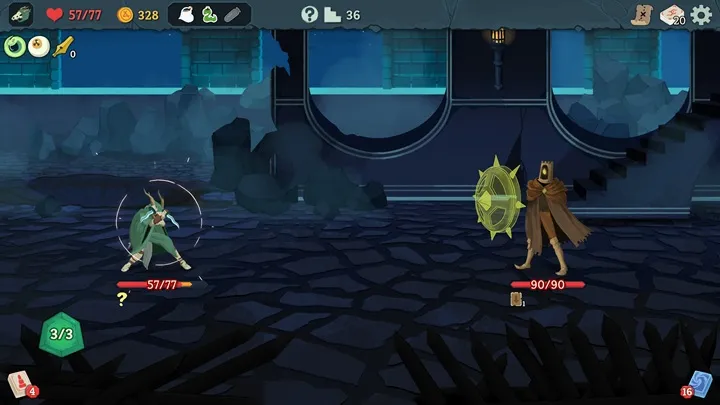
- Scaling is required for bosses
- AoE solves multi-enemy fights
- Don’t draft blindly
Draft for what you will face next.
4. Learn Enemy Patterns and Intentions
Information reduces damage.
- Watch enemy intent icons carefully
- Identify attack, block, and buff turns
- Plan turns ahead instead of reacting
- Take calculated damage when needed
- Avoid panic plays
Predictability is your advantage.
5. Manage Health as a Strategic Resource
HP is meant to be spent wisely.
- Trade health for upgrades when safe
- Don’t over-rest at campfires
- Block efficiently instead of perfectly
- Heal only when necessary
- Preserve HP before elites and bosses
Smart health management wins runs.
6. Use Relics to Shape Your Strategy
Relics define direction.
- Adapt deck choices to relic effects
- Don’t fight relic synergy
- Build around strong relics early
- Avoid anti-synergy traps
- Let relics guide decisions
Relics often matter more than cards.
7. Upgrade the Right Cards First
Not all upgrades are equal.
- Upgrade core damage or block cards
- Prioritize energy efficiency upgrades
- Upgrade scaling tools early
- Skip upgrades with minimal impact
- Plan upgrades around bosses
Efficient upgrades multiply power.
8. Choose Elites and Paths Intelligently
Risk must be controlled.
- Fight elites when prepared
- Avoid elites with weak decks
- Use pathing to control difficulty
- Balance rewards and survival
- Don’t force maximum elites every run
Smart routing preserves consistency.
9. Plan Energy and Turn Efficiency
Energy is the real limit.
- Avoid too many high-cost cards
- Add card draw carefully
- Reduce dead turns
- Use zero-cost cards wisely
- Think in full turns, not single cards
Efficient turns win difficult fights.
10. Stay Calm and Accept Losses as Learning
Improvement comes from failure.
- Review why runs failed
- Identify bad card picks
- Notice greedy decisions
- Learn boss mechanics over time
- Don’t tilt after losses
Calm analysis builds mastery.

Final Thoughts
Slay the Spire rewards patience, planning, and adaptability over raw aggression. By building focused decks, understanding enemy behavior, managing health strategically, and making thoughtful long-term decisions, players can dramatically improve run consistency and climb higher ascensions.
In Slay the Spire, every choice matters—and mastery comes from understanding why.