.webp)







Introduction
UFL™ is a competitive football game built around fair play, skill-based mechanics, and online-focused competition. Unlike traditional football titles that rely heavily on player ratings, UFL emphasizes user control, decision-making, and tactical understanding on the pitch. Every pass, tackle, and goal depends more on player skill than on overpowered attributes.
While UFL is accessible to new players, mastering it requires discipline, patience, and a strong understanding of football fundamentals. This guide provides in-depth tips and strategies to help you improve your gameplay, control matches, and consistently outperform opponents in competitive modes.
Understanding UFL’s Core Gameplay Philosophy
UFL is designed around the idea that “fair play wins.” Player performance relies more on timing, positioning, and tactical awareness than raw statistics. This makes matches feel competitive and rewarding but punishes careless play.
Unlike arcade-style football games, UFL rewards patience. Rushing attacks or spamming passes often leads to turnovers. Learning to slow the game down and build attacks methodically is essential for long-term success.
Mastering Basic Controls and Player Movement
Precise movement is the foundation of UFL. Small adjustments in direction and speed can determine whether you win or lose a duel.
Instead of sprinting constantly, use controlled movement to stay balanced. Sprinting too often reduces accuracy and leaves players vulnerable defensively.
Movement tips:
- Use short directional adjustments
- Sprint only in open space
- Keep players facing the ball
Controlled movement leads to cleaner play.

Passing Accuracy and Build-Up Play
Passing in UFL is heavily skill-based. Poor positioning or rushed inputs often result in misplaced passes.
Focus on triangles and short passing combinations to maintain possession. Building attacks patiently opens space naturally rather than forcing risky through balls.
Effective passing habits:
- Use short passes to reset play
- Avoid blind forward passes
- Pass toward open body angles
Possession control creates scoring chances.
Shooting Mechanics and Finishing Consistency
Scoring in UFL requires timing and composure. Shooting blindly often leads to blocked or weak attempts.
Position your player properly before shooting. Balance, angle, and distance all matter more than power alone.
Finishing tips:
- Shoot when balanced
- Aim away from the goalkeeper
- Avoid panic shots
Calm finishing separates top players.
Defensive Positioning and Tackling Discipline
Defense in UFL rewards anticipation over aggression. Overcommitting leaves gaps that skilled opponents exploit.
Stay goal-side, cut passing lanes, and wait for mistakes. Well-timed tackles are far more effective than constant pressure.
Defensive fundamentals:
- Contain before tackling
- Avoid sliding unnecessarily
- Control space, not just players
Smart defense wins matches.
Reading Opponent Behavior and Adapting
Every opponent plays differently. Some rely on pace, others on passing or skill moves.
Pay attention to patterns early in the match. Adjust your defensive shape and attacking focus based on how your opponent plays.
Adaptation checklist:
- Identify favorite attack routes
- Adjust pressure levels
- Change tempo mid-match
Adaptability is a competitive advantage.
Using Formations and Tactical Balance
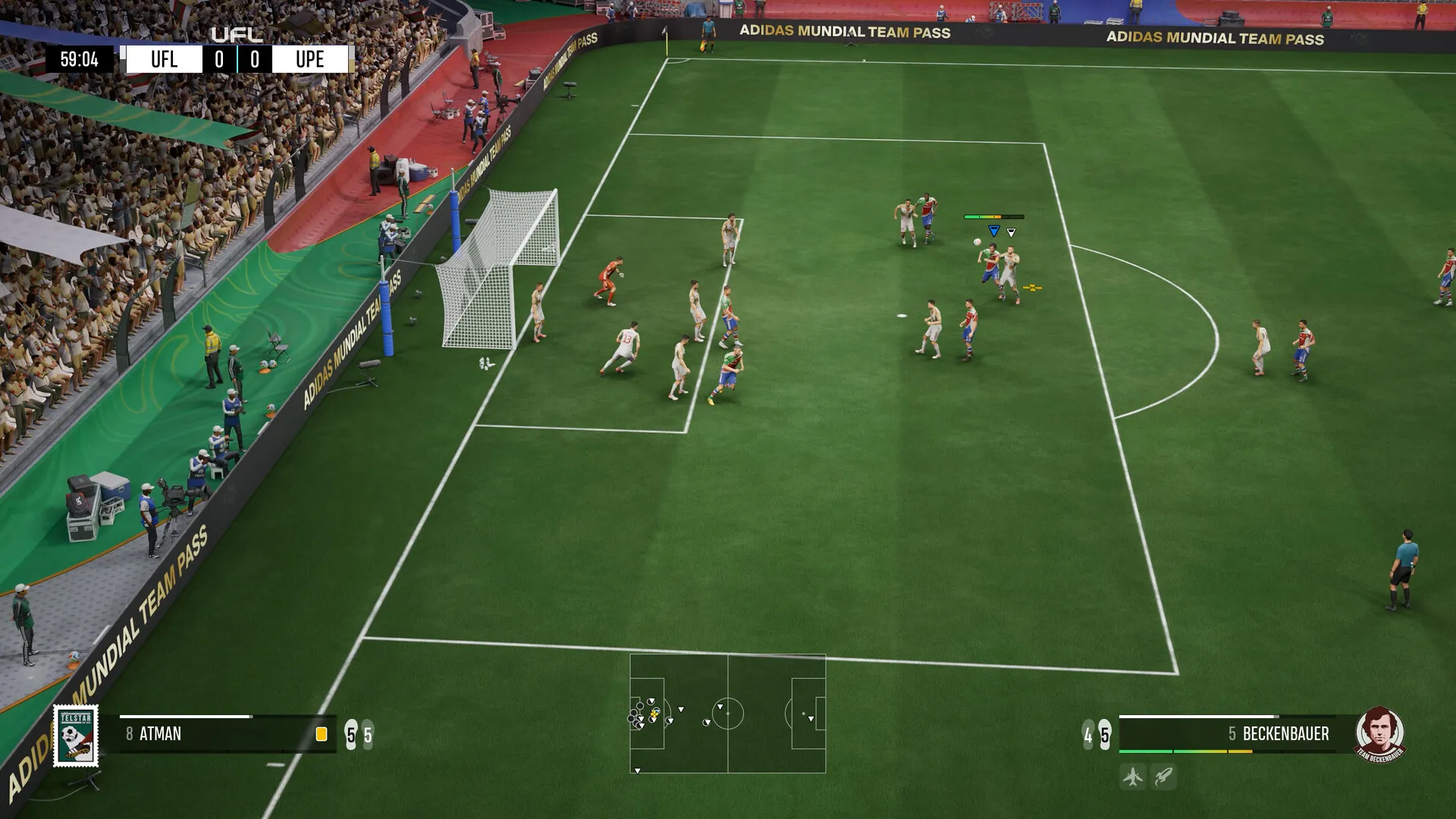
Formations in UFL are not just cosmetic. They influence spacing, pressing, and build-up options.
Choose formations that suit your playstyle. Balanced setups often outperform extreme attacking or defensive formations.
Formation tips:
- Use midfield balance
- Avoid isolated attackers
- Adjust width situationally
Structure supports decision-making.
Managing Stamina and Match Tempo
Stamina affects performance significantly in UFL. Overusing sprint drains energy and reduces effectiveness late in matches.
Control tempo by alternating between slow build-up and quick transitions. Managing energy gives you an edge in the final minutes.
Stamina management tips:
- Reduce sprinting when ahead
- Rotate pressure across players
- Slow the game when necessary
Fresh players perform better.
Improving Through Practice and Match Review
Consistent improvement in UFL comes from self-review. Each match provides lessons, even in victory.
Identify repeated mistakes and focus on fixing one issue at a time rather than everything at once.
Growth habits:
- Review conceded goals
- Practice weak areas
- Learn from stronger opponents
Intentional practice builds mastery.
Playing Competitively Without Losing Enjoyment
UFL is competitive by design, but frustration can hinder performance. Staying calm improves decision-making.
Focus on improvement rather than results alone. Even losses contribute to long-term skill development.
Mindset reminders:
- Stay composed under pressure
- Accept mistakes as learning
- Enjoy fair competition
A strong mindset fuels consistency.
Conclusion
UFL™ rewards players who value skill, discipline, and tactical intelligence. Unlike stat-driven football games, success comes from understanding space, controlling tempo, and making smart decisions throughout the match.
By mastering movement, passing, defense, and mental composure, you can steadily improve and enjoy the competitive depth that UFL offers.
160-character summary
Master UFL™ with smart movement, precise passing, disciplined defense, and tactical awareness to win more matches through skill-based play.