.webp)


Popular Now
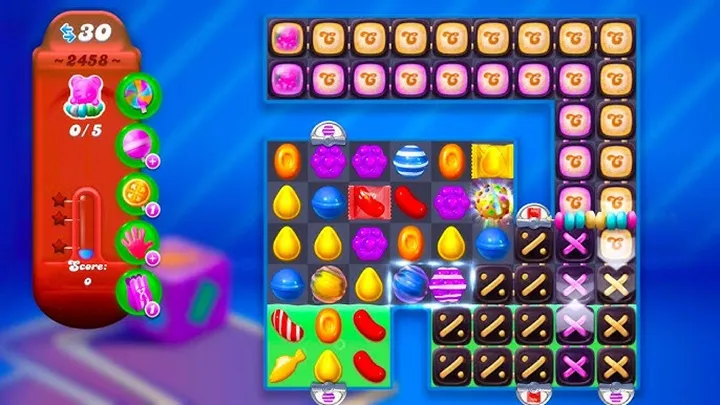
Candy Crush Saga is a casual match-3 puzzle game that combines colorful visuals, simple mechanics, and addictive level-based progression. Designed for short play sessions, the game challenges players to clear objectives using limited moves while managing boosters and obstacles.
This guide explains how to play Candy Crush Saga effectively, from understanding core mechanics to mastering difficult levels. Whether you are a new player or aiming to progress faster, this article breaks down strategies and decision-making tips for long-term success.
SECTION 1: How to Understand the Core Gameplay Loop
Candy Crush Saga follows a clear loop: match candies, complete level objectives, earn rewards, and progress to harder stages. Each level introduces new layouts, blockers, and win conditions.
Progression is level-based rather than open-ended. Learning how mechanics evolve is essential to avoid getting stuck later.
SECTION 2: How to Clear Levels Efficiently
Efficiency comes from focusing on level objectives rather than random matches. Clearing jelly, collecting ingredients, or reaching target scores should guide every move.
Avoid unnecessary matches. Every move should contribute directly to completing the level goal.
SECTION 3: How to Read the Board Before Making Moves
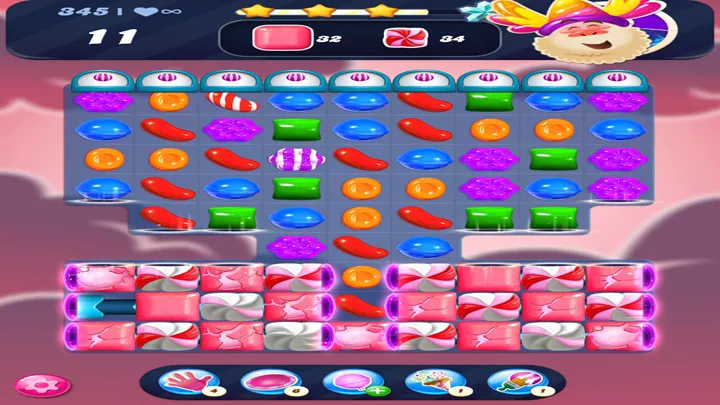
Before making your first move, take time to scan the board. Identify potential cascades, special candy setups, and blocked areas.
Planning ahead reduces wasted moves and increases the chance of creating powerful combinations.
SECTION 4: How to Create and Use Special Candies
Special candies are the key to beating difficult levels. Striped, wrapped, and color bomb candies can clear large areas of the board.
Combining special candies multiplies their effects. Strategic creation and timing matter more than luck.
SECTION 5: How to Handle Blockers and Obstacles
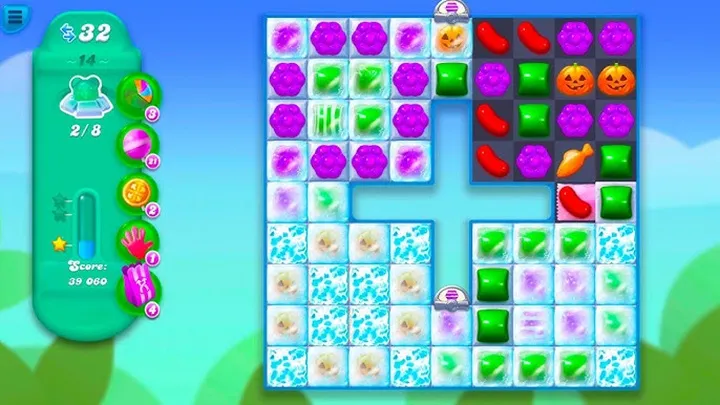
Later levels introduce blockers such as chocolate, licorice, and layered frosting. These obstacles restrict movement and spread if ignored.
Prioritize removing blockers early. Clearing space opens more matching opportunities and prevents board control loss.
SECTION 6: How to Manage Moves and Avoid Waste
Moves are limited, making resource management critical. Random matches often lead to failure in harder stages.
Focus on high-impact moves. Fewer, smarter actions outperform constant matching without purpose.
SECTION 7: How and When to Use Boosters
Boosters provide powerful advantages but are limited resources. Using them too early can be wasteful.
Save boosters for genuinely difficult levels or when you are close to completion but short on moves.
SECTION 8: How to Deal with Difficulty Spikes
Difficulty increases gradually but includes sudden spikes. These levels are designed to test patience and planning.
Taking breaks helps. Returning with a fresh perspective often leads to better board reading and decisions.
SECTION 9: How Progression Changes in Mid and Late Game
Mid and late game levels introduce tighter move limits and complex objectives. Success depends more on planning than reaction.
Understanding pattern repetition helps predict level behavior and improve consistency.
SECTION 10: How Candy Crush Maintains Long-Term Engagement
Candy Crush Saga maintains replay value through constant level updates, events, and social competition elements.
Long-term engagement comes from short sessions, steady progression, and the satisfaction of overcoming challenging puzzles.
CONCLUSION
Candy Crush Saga proves that simple mechanics can create deep, lasting gameplay. By understanding objectives, planning moves, and mastering special candies, players can progress smoothly and enjoy one of the most successful casual puzzle games ever created.