How to Play Oxygen Not Included Effectively and Build a Stable Colony
Popular Now
1. Understand That Oxygen Is the Real Currency
Everything revolves around oxygen.
Duplicants consume oxygen constantly
Low oxygen increases stress and inefficiency
Bad airflow creates dead zones
Carbon dioxide sinks and suffocates areas
Early mistakes compound over cycles
A colony without oxygen control will always fail.
2. Start With a Simple, Expandable Base Layout
Layout determines long-term stability.
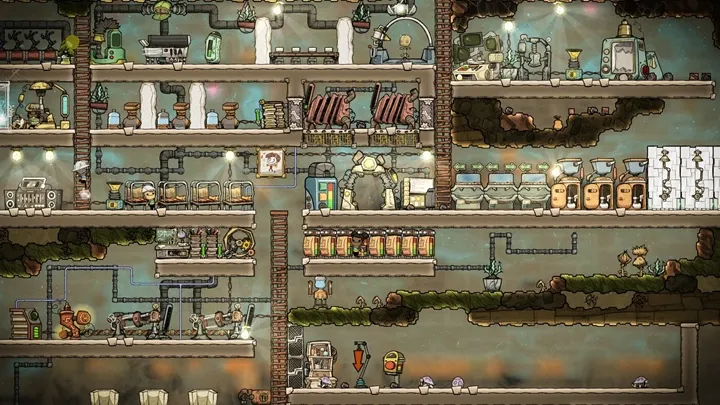
Build vertically to control gas layers
Leave space for future expansion
Centralize key systems early
Avoid sealing areas completely
Plan ladders and fire poles early
Good layout prevents costly rebuilds.
3. Secure Oxygen Production Early
Breathing comes before everything else.
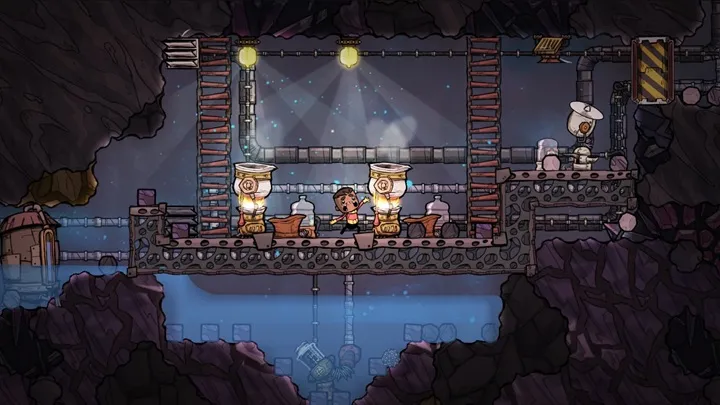
Use Oxygen Diffusers at the start
Monitor algae consumption carefully
Distribute oxygen evenly
Avoid stacking generators too tightly
Transition plans should start early
Stable oxygen buys time to grow.
4. Control Carbon Dioxide and Gas Flow
Ignoring gas behavior is fatal.
CO₂ sinks to the bottom naturally
Dig CO₂ pits instead of fighting it
Avoid pumping gases too early
Use airflow tiles strategically
Let physics work for you
Gas control reduces power waste.
5. Manage Food Production Before Population Growth
More duplicants means more problems.
Delay printing extra duplicants
Start with simple meal sources
Avoid overproducing complex food
Monitor calorie buffers constantly
Expand farms only when stable
Population control stabilizes the colony.
6. Watch Stress, Morale, and Schedules
Mental health affects productivity.
Set proper work schedules
Give downtime and sleep space
Avoid overcrowded living areas
Provide basic morale buildings early
Don’t over-skill duplicants too fast
Low stress keeps systems running smoothly.
7. Understand Heat Before It Becomes a Crisis
Heat kills colonies silently.
Monitor temperature overlays often
Separate hot machines from farms
Avoid overusing generators early
Use insulated tiles when needed
Plan cooling long before emergencies
Heat control defines mid-game survival.
8. Use Power Carefully and Efficiently
Power mismanagement causes chain failures.
Avoid unnecessary automation early
Use batteries wisely
Separate power circuits logically
Reduce machine idle time
Don’t overbuild generators
Efficient power prevents heat and overloads.
9. Research With Purpose, Not Curiosity
Research should solve problems.
Unlock oxygen and food tech first
Delay luxury research
Focus on stability upgrades
Avoid unlocking systems you can’t support
Research only what you can implement
Focused research avoids collapse.
10. Grow Slowly and Think Long-Term
Oxygen Not Included punishes greed.
Expand systems one at a time
Stabilize before scaling
Expect failures and adapt layouts
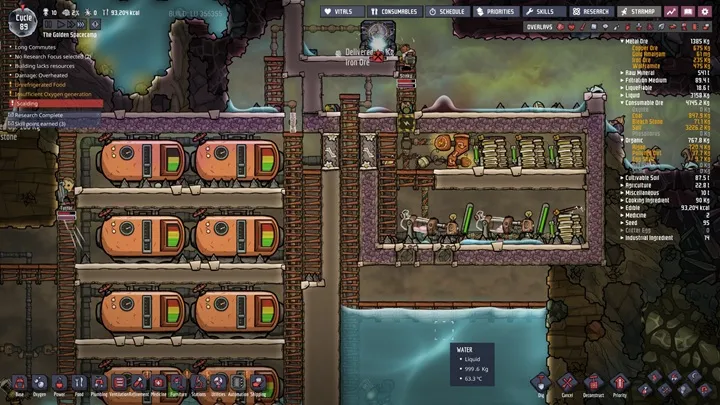
Pause often and analyze overlays
Think in cycles, not minutes
Patience builds sustainable colonies.
Final Thoughts
Oxygen Not Included is a deep colony simulation built around planning, physics, and restraint. By prioritizing oxygen flow, base layout, population control, heat management, and deliberate expansion, players can avoid cascading failures and build a colony that survives hundreds of cycles.
In Oxygen Not Included, success comes from understanding systems—not rushing them.