


Popular Now
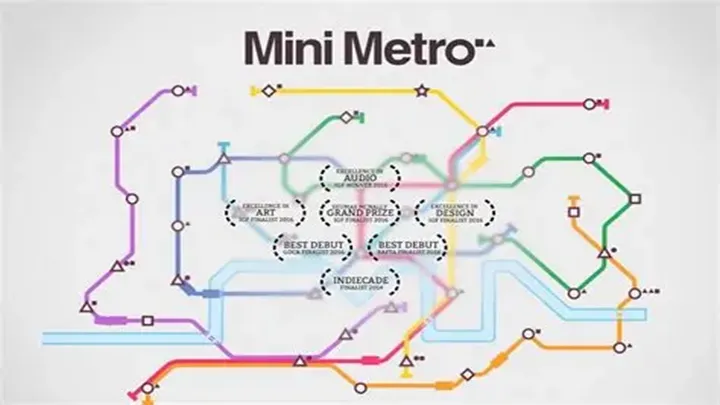
1. Understand That Mini Metro Is About Efficiency, Not Complexity
Mini Metro rewards simplicity.
- Short routes reduce congestion
- Overly complex networks fail quickly
- Clean layouts are easier to fix
- Efficiency beats visual perfection
A simple system survives longer than a clever-looking one.
2. Learn the Value of Direct Routes Early
Direct connections stabilize cities.
- Fewer stations per line reduce overload
- Avoid looping too many stations together
- Connect high-demand stations directly
- Use straight lines whenever possible
Direct routes minimize passenger buildup.
3. Balance Lines Instead of Overloading One Route
Uneven systems collapse fast.
- Distribute stations across multiple lines
- Avoid funneling all passengers into one hub
- Watch circle, triangle, and square demand
- Adjust lines proactively
Balanced load keeps the network stable.
4. Use Interchanges Strategically
Interchanges are powerful but dangerous.
- Place them where traffic naturally overlaps
- Avoid stacking multiple interchanges too early
- Use them to relieve bottlenecks
- Remove interchanges if congestion worsens
Poor interchange placement accelerates failure.
5. Extend Lines Gradually, Not All at Once
Expansion must be controlled.
- Add one station at a time
- Observe passenger flow after changes
- Avoid panic extensions
- Rebuild slowly when needed
Gradual expansion preserves system stability.
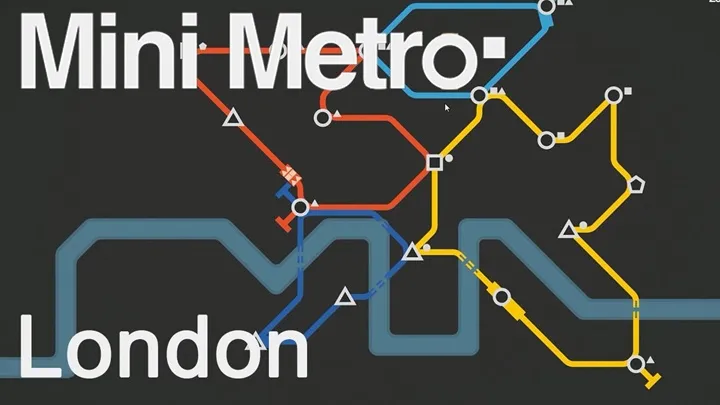
6. Prioritize Special Stations and Shapes
Shape management defines late-game survival.
- Watch for shape overload warnings
- Connect rare shapes carefully
- Use separate lines if needed
- Prevent any station from filling completely
Shape awareness prevents sudden game-ending failures.
7. Use Carriages and Lines Where They Matter Most
Resources are limited.
- Add carriages to high-traffic lines
- Don’t waste upgrades on quiet routes
- Replace lines strategically when necessary
- Save resources for emergencies
Smart allocation extends run duration.
8. Pause and Redesign Without Panic
Rebuilding is expected.
- Pause to think clearly
- Redraw lines intentionally
- Remove unnecessary segments
- Optimize, don’t rush
Calm redesigns recover failing systems.
9. Read Passenger Flow Visually
The game gives constant feedback.
- Watch where crowds form
- Identify repeating congestion patterns
- Adjust routes before stations overload
- Anticipate growth zones
Observation prevents reactive mistakes.
10. Accept Failure as Part of Mastery
Every run teaches system design.
- Analyze why networks collapsed
- Learn from layout mistakes
- Improve decision timing
- Apply lessons to the next run
Experience builds intuition over time.
Final Thoughts
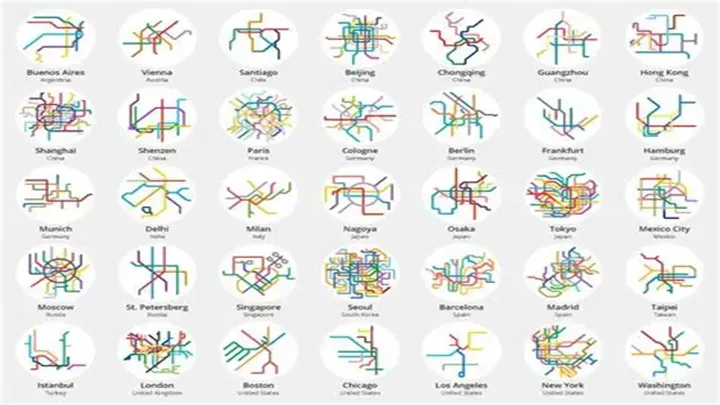
Mini Metro is a minimalist strategy game that rewards planning, balance, and calm decision-making. By building direct routes, managing congestion, allocating resources wisely, and redesigning thoughtfully, players can sustain efficient transit networks far longer and achieve higher scores consistently.
Keep your lines clean, your stations flowing, and let efficiency guide every decision.