.webp)




Kerbal Space Program is often celebrated for its humor, sandbox freedom, and educational value, but these descriptors only scratch the surface of its most important design choice. At its core, Kerbal Space Program is a game that teaches through failure. Rockets explode, missions fail catastrophically, and carefully planned launches collapse due to a single overlooked calculation. Rather than shielding players from these outcomes, the game amplifies them. This article examines how Kerbal Space Program’s commitment to realistic physics transforms failure from punishment into instruction, making repeated disaster not only inevitable, but essential to player mastery.
1. The First Launch and the Shock of Real Physics
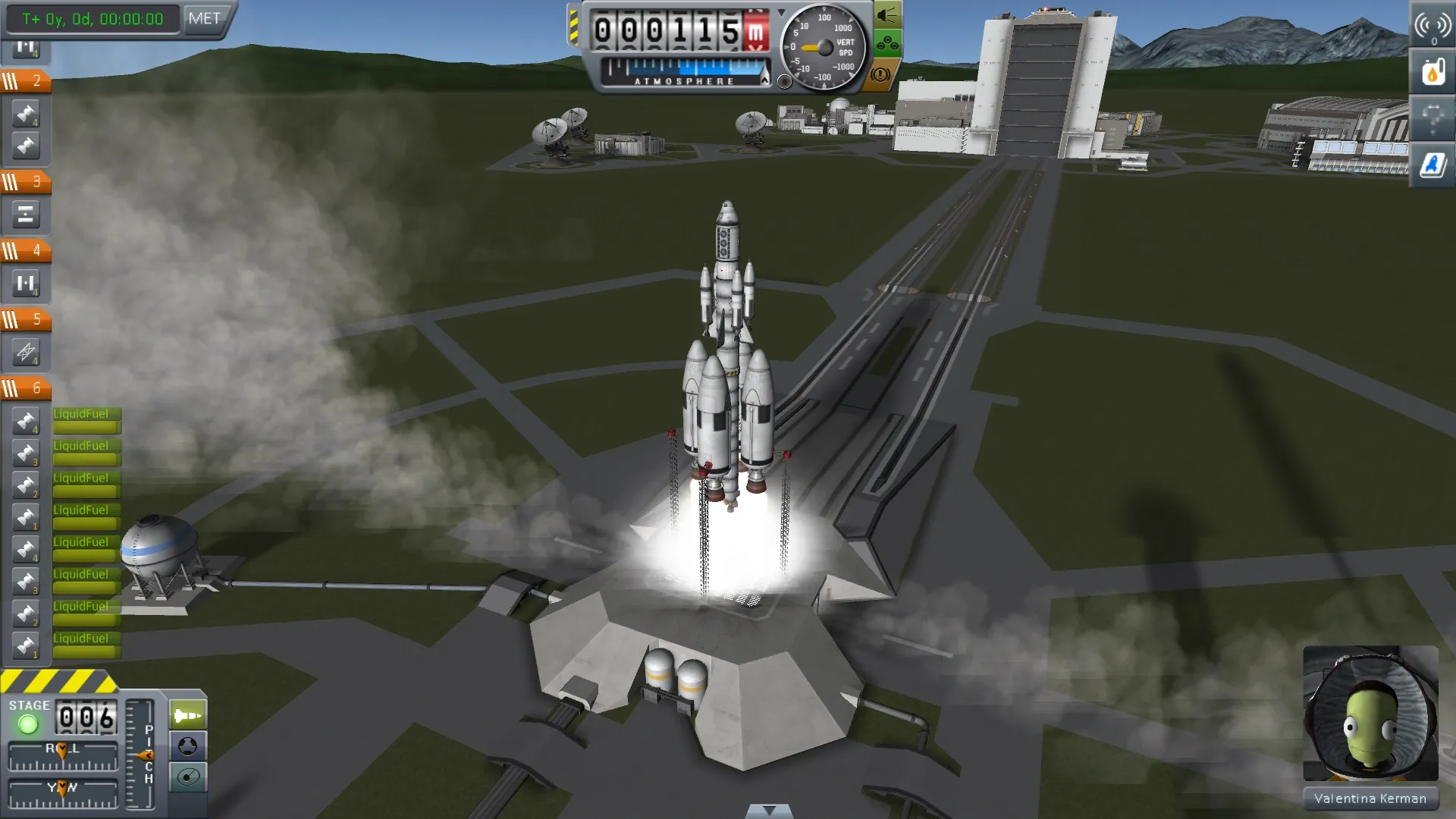
The initial rocket launch in Kerbal Space Program rarely succeeds.
New players experience uncontrollable spinning, structural collapse, or sudden disassembly shortly after liftoff. These failures are immediate and spectacular.
This moment establishes a clear contract: the game will not compensate for misunderstanding, nor will it simplify reality to preserve success.
2. Rockets as Systems, Not Objects
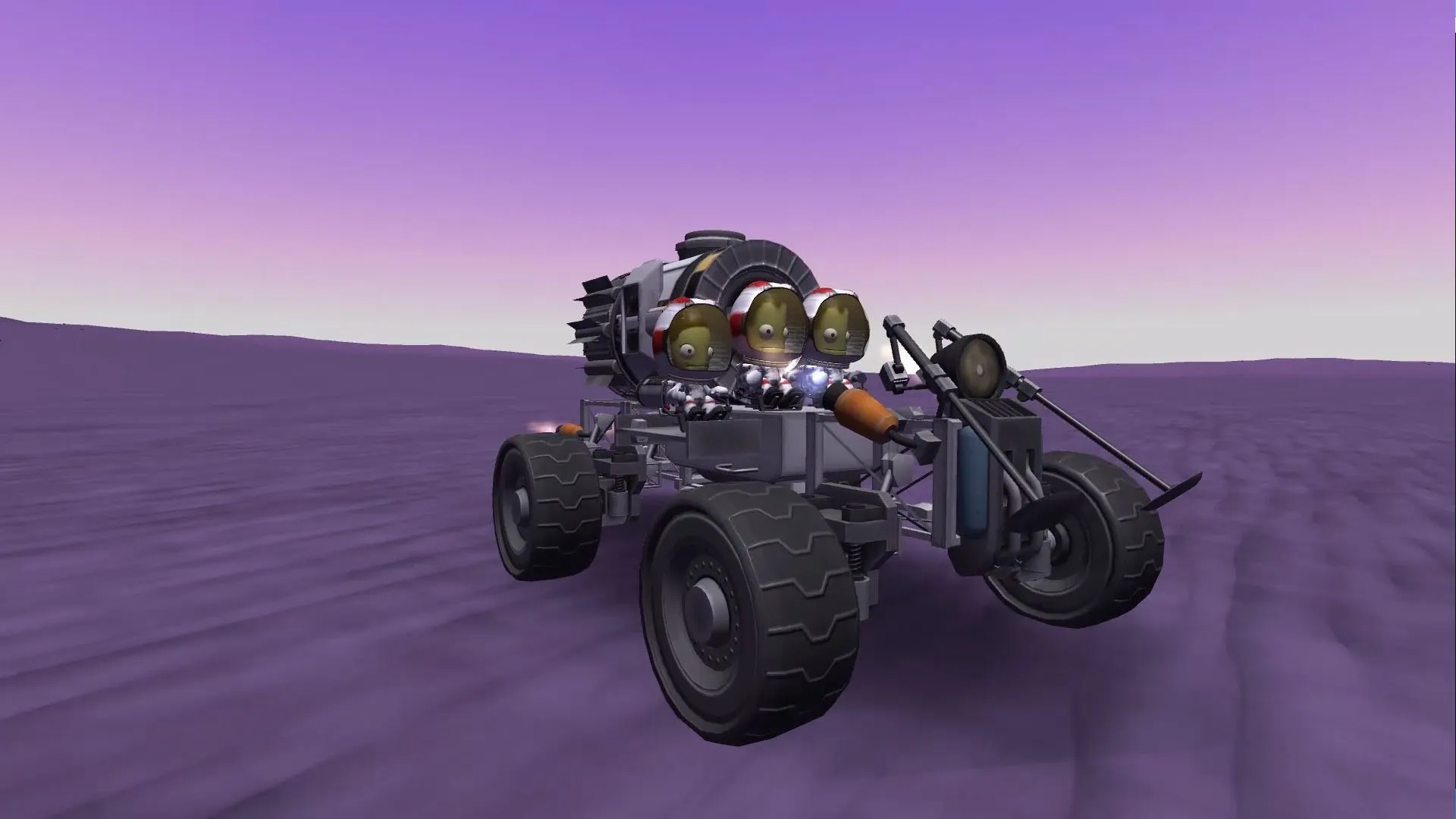
Rockets in Kerbal Space Program are not abstract vehicles.
They are complex systems governed by thrust vectors, mass distribution, drag, and torque. Every component interacts physically with others.
Construction as hypothesis
Each rocket design is an experiment, testing assumptions rather than executing a guaranteed solution.
3. Explosions as Feedback, Not Punishment
Failure states are visually dramatic but mechanically neutral.
Explosions reset the scenario without removing progress or permanently penalizing the player.
Immediate clarity
The game communicates failure clearly, allowing players to infer causes without obfuscation.
4. Iteration Over Instruction
Kerbal Space Program avoids heavy-handed tutorials.
Instead of explaining optimal solutions, it allows players to attempt, fail, and adjust.
This encourages experiential learning rather than memorization of rules.
5. The Gravity Turn and Conceptual Barriers
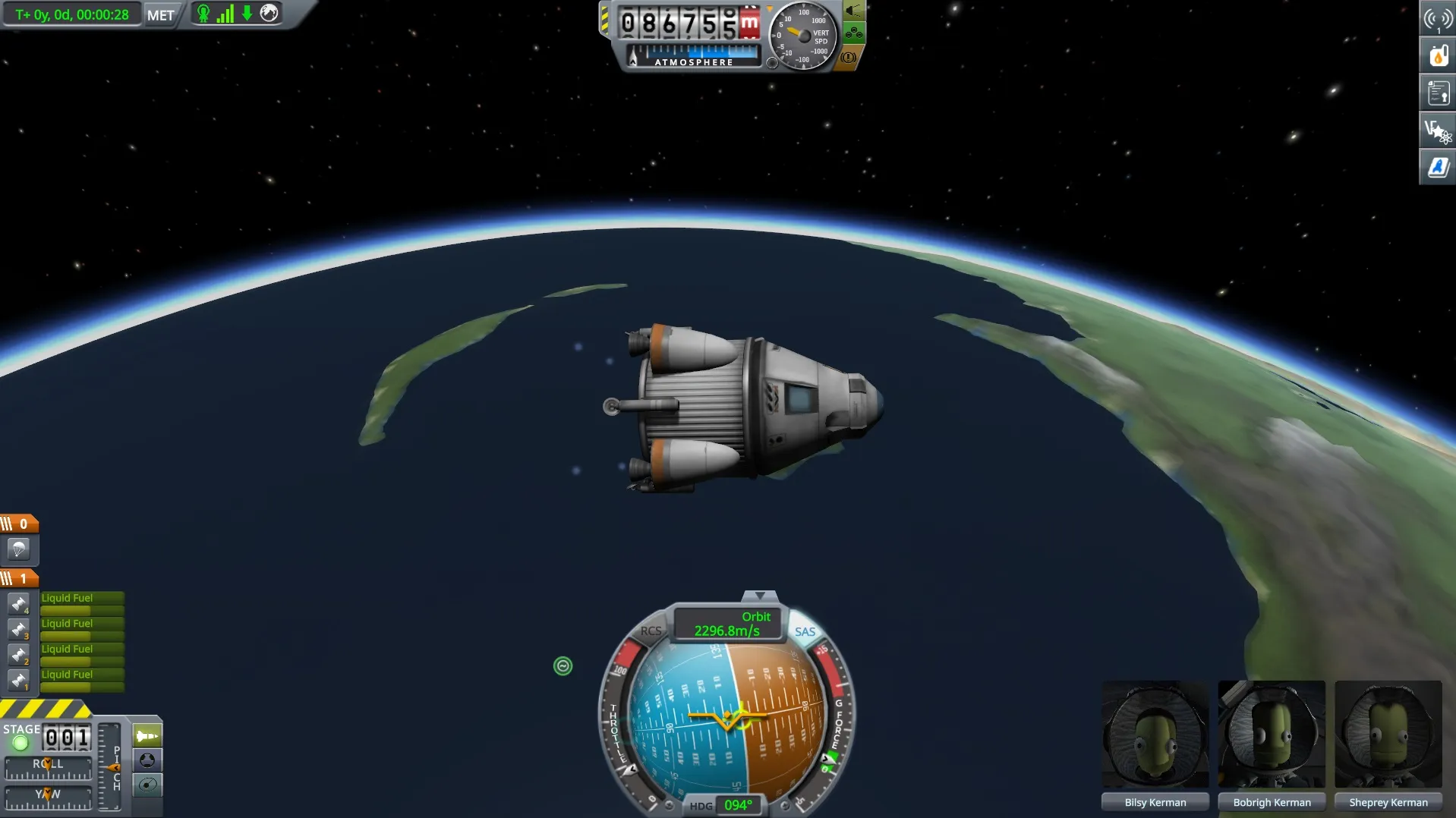
The gravity turn is a defining hurdle.
Players must abandon intuitive vertical ascent and trust orbital mechanics.
Unlearning instinct
Mastery requires replacing real-world intuition with orbital logic.
6. Orbital Mechanics as a Mental Shift
Reaching orbit reframes the entire game.
Space becomes a curved battlefield where speed matters more than height.
Velocity over altitude
This conceptual shift represents one of the game’s most significant learning breakthroughs.
7. Mission Planning and Delayed Failure
Later missions fail hours after launch.
Mistakes in delta-v calculations or staging reveal themselves far from Kerbin.
Delayed accountability
The game teaches foresight by separating cause and effect across time.
8. Kerbals, Risk, and Emotional Investment
Kerbals are fragile and expressive.
Their presence adds emotional weight to failure without altering mechanics.
Humor as insulation
Comedy softens loss while preserving responsibility.
9. Player Motivation and Self-Directed Mastery
Kerbal Space Program does not reward success quickly.
Players continue because understanding itself becomes the reward.
Intrinsic motivation
Progress is measured by competence, not unlocks.
10. Why Failure Remains Satisfying After Mastery
Even experienced players fail.
Complex missions introduce new variables and unforeseen interactions.
This ensures that learning never truly ends.
Conclusion
Kerbal Space Program redefines failure as an instructional tool rather than a deterrent. By committing fully to realistic physics and refusing to shield players from consequence, it creates a learning environment driven by curiosity, resilience, and experimentation. Explosions are not setbacks—they are data. Through this design philosophy, Kerbal Space Program transforms frustration into understanding, proving that failure, when respected and clearly communicated, can be the most powerful teacher in interactive design.