.webp)








Wandering Sword presents itself as a traditional wuxia-inspired RPG, drawing heavily from classic martial arts fiction where lone wanderers cultivate strength, honor, and reputation through travel and combat. At first glance, the game appears to follow familiar genre conventions: learn techniques, defeat enemies, complete quests, and grow stronger. However, extended play reveals that Wandering Sword is not primarily about combat mastery. Instead, it is a game about relationships. Nearly every system—from skill acquisition to combat efficiency and narrative outcomes—is shaped by how the player navigates social alignment, faction loyalty, and personal bonds. This article explores how Wandering Sword transforms interpersonal relationships into a form of irreversible mechanical progression, turning social choices into destiny rather than flavor.
1. The Early Journey and the Illusion of Independence
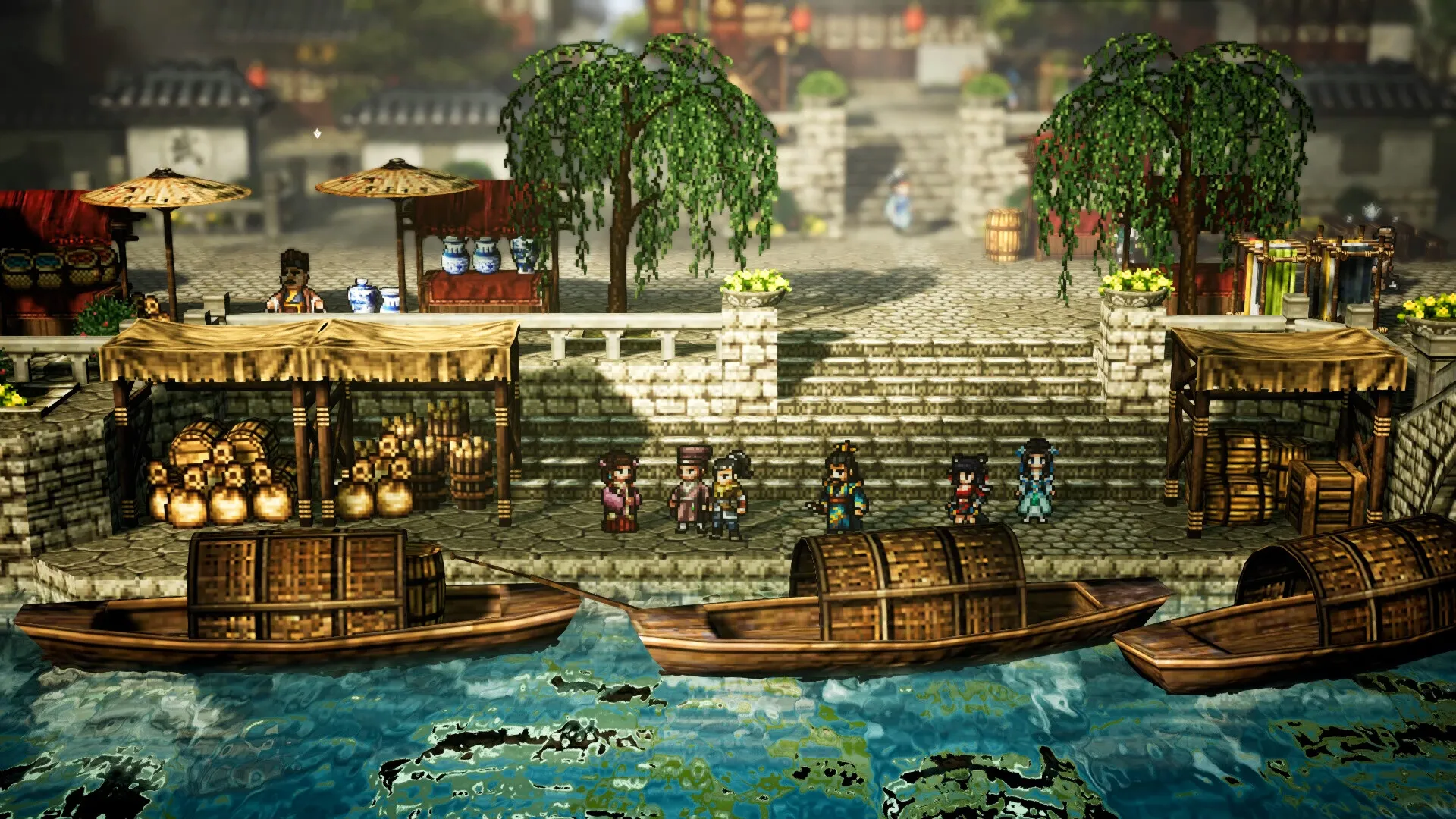
The opening hours of Wandering Sword emphasize freedom.
The player travels freely, encounters strangers, and learns basic martial techniques without apparent restriction. Early combat is forgiving, reinforcing the fantasy of the self-made martial artist.
This creates the impression that personal strength alone determines success, delaying awareness of deeper dependency on social systems.
2. Martial Techniques as Social Currency
As progression continues, new techniques become increasingly tied to NPC relationships.
Advanced skills are rarely obtained through exploration alone. Instead, they are locked behind favor, trust, or ideological alignment with specific characters or sects.
Skill gates disguised as friendship
What appears to be narrative bonding quietly functions as a progression filter.
3. Sect Alignment and the Cost of Belonging
Joining a sect offers powerful benefits.
Unique techniques, passive bonuses, and narrative protection become available once alignment is established.
The price of loyalty
Commitment to one sect limits access to others, creating permanent opportunity cost rather than temporary choice.
4. Reputation Systems and Invisible Constraints
Wandering Sword tracks reputation across regions and factions.
While reputation changes are rarely announced explicitly, they influence dialogue options, quest availability, and combat support.
This opacity forces players to infer consequence through outcome rather than interface feedback.
5. Relationship Depth as a Combat Multiplier
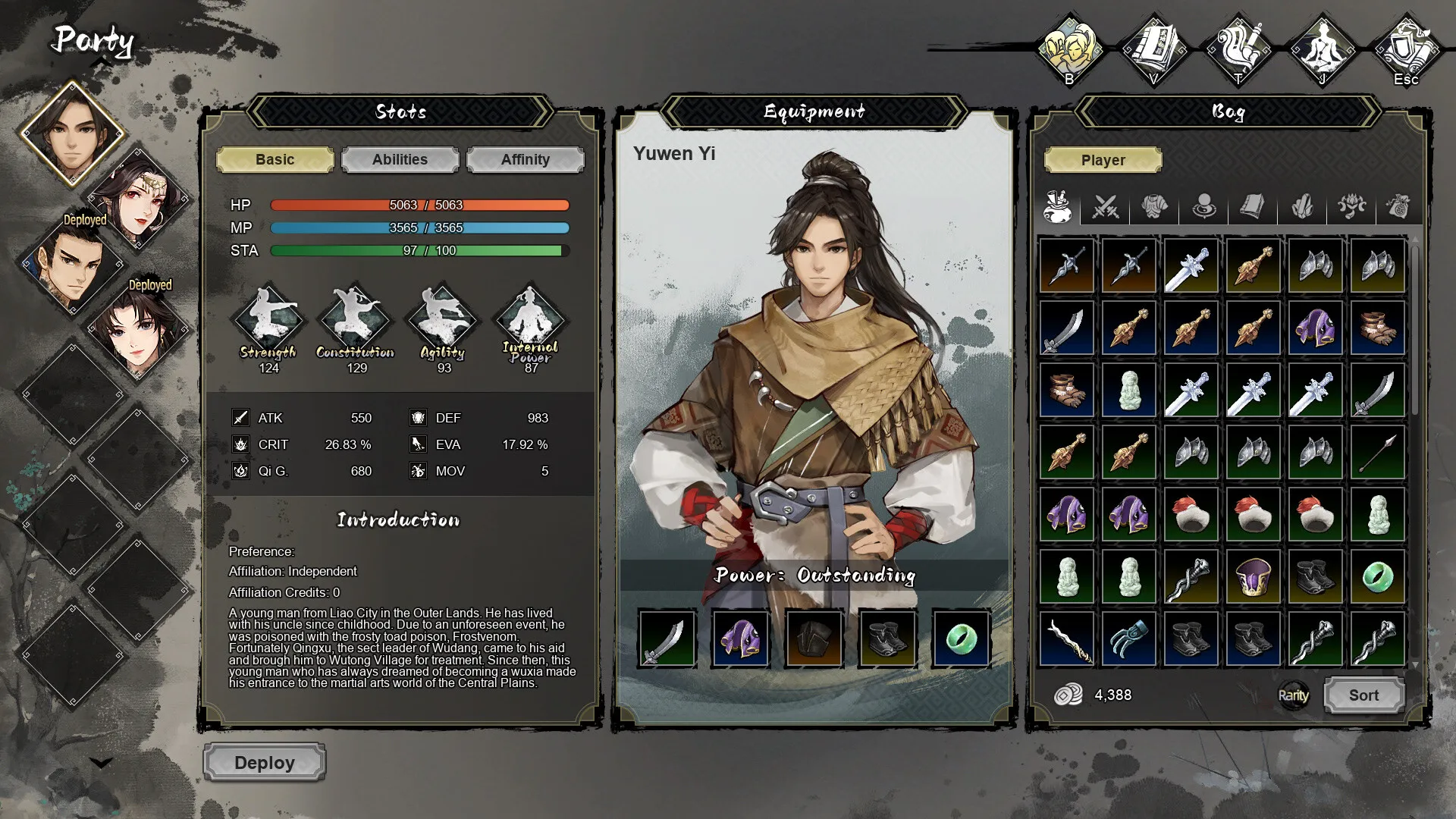
High-affinity relationships provide tangible combat advantages.
Companions unlock synergy techniques, provide battlefield support, or intervene during critical moments.
Emotional investment equals power
The game equates trust with effectiveness, reinforcing the importance of long-term bonds.
6. Moral Alignment and Technique Philosophy
Martial techniques in Wandering Sword are not morally neutral.
Some emphasize restraint and balance, while others reward aggression and dominance.
Technique as worldview
Choosing which skills to pursue reflects an ethical stance that shapes both combat flow and narrative tone.
7. Mid-Game Revelation of Path Dependency
By the mid-game, earlier relationship decisions crystallize.
Players discover that entire branches of martial progression are no longer accessible due to neglected or damaged relationships.
This transforms the experience from open exploration into committed trajectory.
8. Conflict Between Power and Principle
Late-game content frequently tests loyalty.
Players are offered opportunities to betray allies for superior techniques or short-term advantage.
Strength through compromise
The game refuses to reward power without moral consequence, forcing uncomfortable trade-offs.
9. Narrative Outcomes Determined by Social Webs
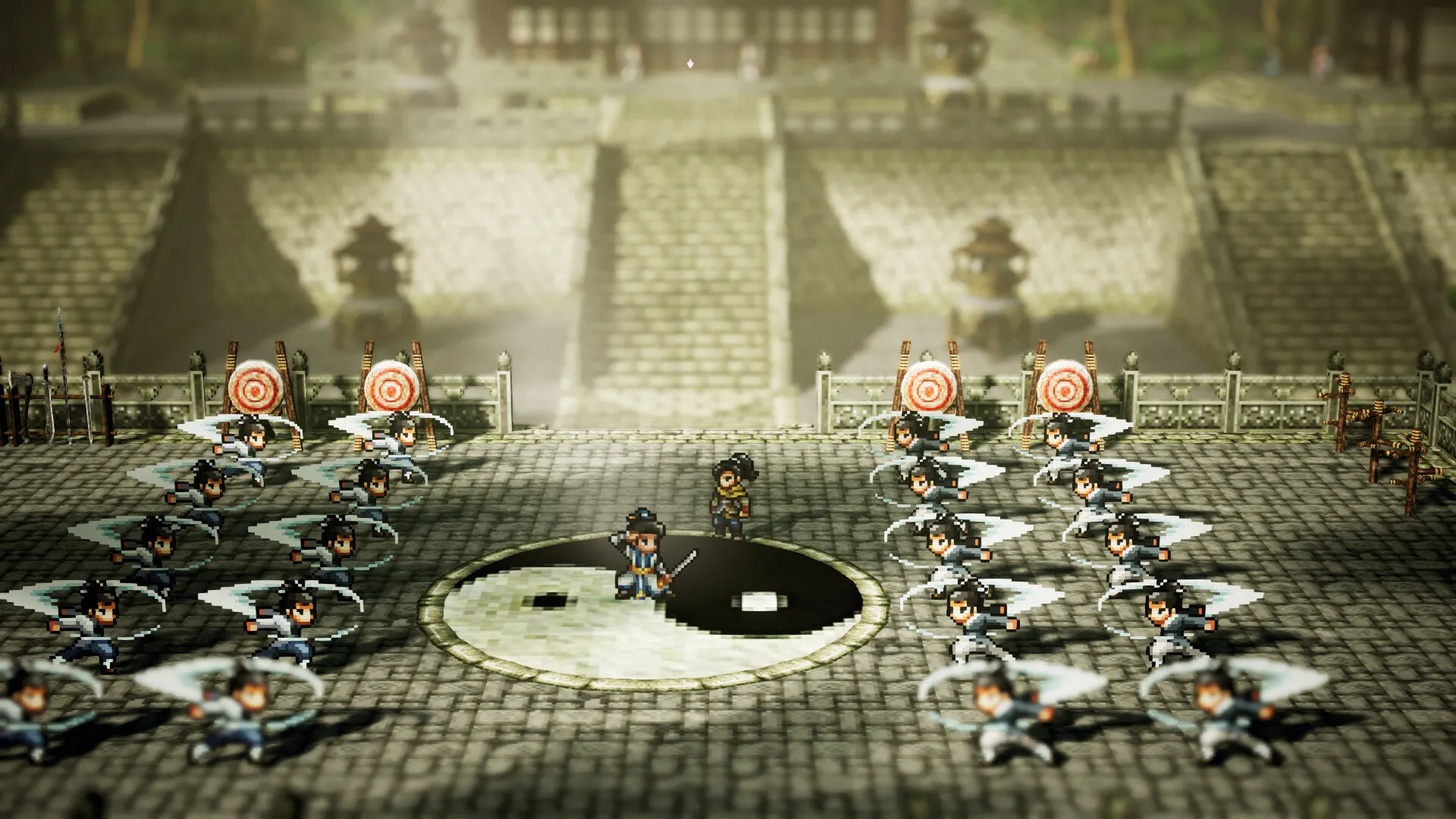
Story resolutions depend less on combat victory and more on relationship networks.
Allies intervene, enemies stand down, or conflicts escalate based on accumulated trust and alignment.
Combat as negotiation
Fights often function as extensions of social tension rather than isolated challenges.
10. Why the System Feels Authentically Wuxia
Classic wuxia fiction emphasizes honor, loyalty, and reputation.
Wandering Sword translates these themes into mechanics, ensuring that strength emerges from connection rather than isolation.
This design makes the player’s journey feel earned, personal, and narratively coherent.
Conclusion
Wandering Sword redefines martial progression by embedding power within relationships. Through faction loyalty, reputation systems, and emotionally driven skill access, the game transforms social alignment into mechanical destiny. Strength is not merely trained—it is granted, withheld, or reshaped by the bonds the player chooses to form or break. In doing so, Wandering Sword captures the essence of wuxia storytelling, where the sharpest blade is often forged not through solitude, but through connection.